If you are thinking about selling your Justin home and buying your next one, you are not alone. A move-up market can feel exciting, but it also brings real pressure because you want to sell well, buy wisely, and keep your timing on track. The good news is that with the right prep, you can make your home stand out, avoid over-improving, and build a plan that supports your next move. Let’s dive in.
Why prep matters in Justin
Justin continues to grow, with the Census Bureau estimating the city’s population at 6,197 in July 2025, up from 4,409 in 2020. Growth can help keep buyer interest strong, but it does not guarantee a fast sale.
Recent market data shows that Justin homes sold for a median of about $434,775 over the three months ending April 2026, up 8.2% year over year. At the same time, homes took about 121 days to sell on average and received roughly 2 offers, which points to a market where presentation, pricing, and patience all matter.
That bigger picture matters too. Realtor.com’s April 2026 summary described Denton County as a buyer’s market, with 10,456 homes for sale, a median listing price of $467,500, and homes selling about 1.55% below asking on average.
For you as a move-up seller, that means one thing: your home likely needs to look polished from day one. Buyers have options, and many are more sensitive to price and condition than they were in a tighter market.
What a move-up market means
A move-up market is not just about selling your current home. It is about using that sale to help you buy a larger, newer, or better-fitting home for your next stage of life.
That can be tricky when buyers are watching monthly payments closely. Freddie Mac reported a 30-year fixed mortgage rate of 6.53% for the week of May 28, 2026, so even small differences in price and condition can shape how buyers view your home.
Texas market data supports that caution. The Texas Real Estate Research Center reported that March 2026 sold homes averaged 82 days on market, one in four active listings received a pending offer, median seller price cuts were $14,900, and active inventory stood at a five-month supply.
In simple terms, buyers may take longer to decide, negotiate more carefully, and compare your home against many others. That is why smart preparation often beats expensive renovation.
Focus on visible improvements first
If you want the best return on your time and money, start with updates buyers notice right away in photos and showings. In this type of market, clean, bright, and well-maintained usually beats personalized or highly upgraded.
The National Association of Realtors says staging is more about decluttering and styling than full remodeling. According to its guidance, 83% of buyers’ agents believe staging makes it easier for buyers to visualize a home, 29% of sellers’ agents said staging increased the dollar value offered by 1% to 10%, and 49% said staging reduced time on market.
That is a strong case for doing the basics extremely well. Your goal is to help buyers picture themselves in the space without getting distracted by clutter, wear, or dated finishes.
Prioritize these high-impact tasks
Start with the areas buyers notice first online and in person:
- Fresh neutral paint, especially in the main living areas
- Bright, working lighting throughout the home
- Updated cabinet hardware or door hardware if current pieces look dated
- Clean landscaping and a tidy front entry
- Deep cleaning from floors to baseboards to windows
- Organized closets, cabinets, and storage areas
- Simple styling in the living room, primary bedroom, dining room, and kitchen
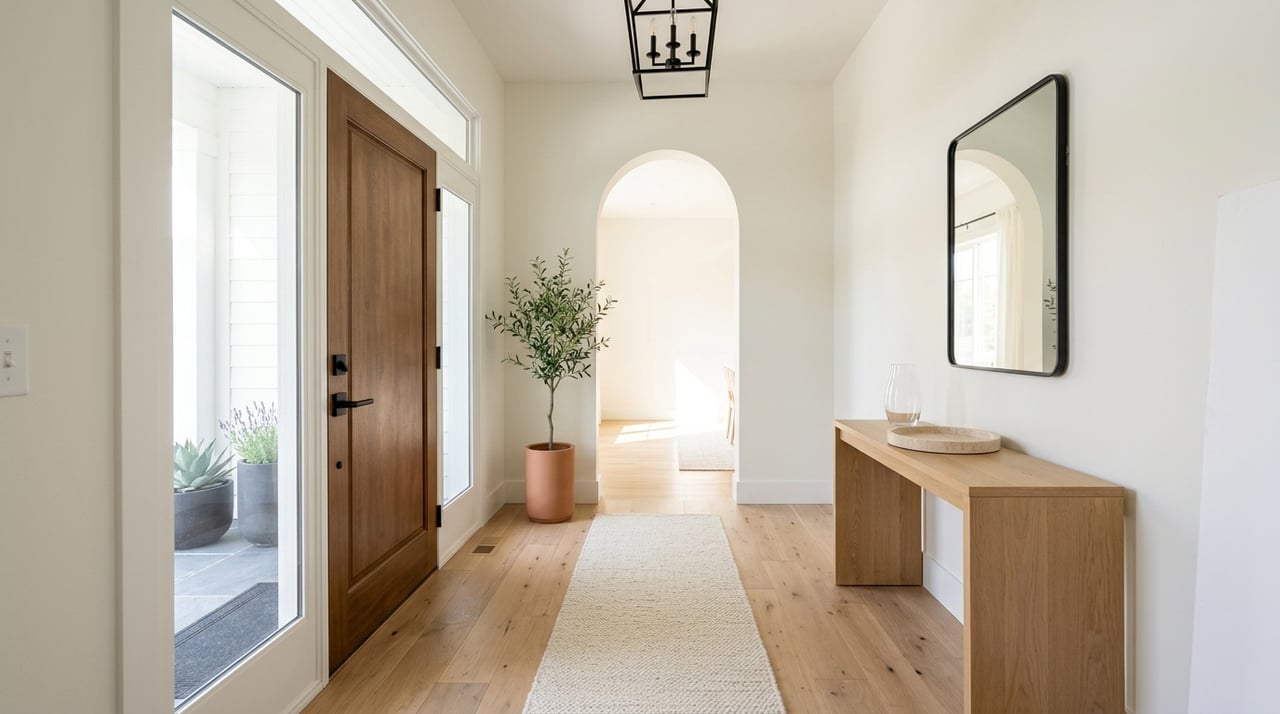
NAR’s staging guidance specifically points sellers toward packing away personal items, using neutral paint colors, removing bulky furniture, adding fresh towels and bedding, and keeping closets about half full. It also recommends simple curb appeal touches like a front door mat, manicured landscaping, and potted plants.
Fix visible defects before listing
In a move-up market, buyers may forgive a home that is not brand new, but many are less willing to overlook obvious maintenance issues. NAR’s 2025 Remodeling Impact Report notes that 46% of buyers are less willing to compromise on a home’s condition.
That means peeling paint, damaged trim, broken fixtures, stained carpet, cracked caulk, and worn-out entry details can work against you. These items may seem minor, but they can make buyers worry about bigger hidden problems.
If your budget is limited, fix what looks broken or neglected before spending on trend-based upgrades. Buyers respond better to a home that feels cared for than one with a few flashy updates and unresolved issues.
Avoid over-improving before you sell
It is tempting to think a major remodel will solve everything, but that is not always the best move. In many cases, full-scale renovation adds cost, stress, and delays without guaranteeing a better result.
NAR’s 2025 Remodeling Impact Report points sellers toward visible, lower-friction projects first. REALTORS® most often recommended painting the entire home, painting one room, and new roofing before selling.
The same report also showed strong cost recovery for a new steel front door at 100%, closet renovation at 83%, and a new fiberglass front door at 80%. Those numbers suggest that targeted, practical updates can deliver more value than a major pre-listing overhaul.
Spend carefully on these projects
If you are deciding where to put your prep dollars, consider this order:
- Repair anything obviously damaged
- Paint and refresh surfaces
- Improve curb appeal and the front entry
- Declutter, clean, and stage key rooms
- Replace small dated finishes if they stand out
- Consider larger work only if there is a clear defect
This approach helps you protect your equity while still making a strong impression. It also keeps your timeline more manageable if you are trying to buy your next home soon.
Watch the permit and timeline issues
Before you start any bigger project, check whether it could affect your schedule. Justin’s Building Inspections & Permits page says permits are required before new construction, additions, alterations, or repairs to existing buildings and structures, and contractors must register with the city.
That matters because a project that seems simple can become more complicated if plumbing, electrical, or structural work is involved. If you are hoping to list quickly, permit-related work can slow down your prep window.
For many move-up sellers, that is another reason to focus first on cosmetic updates that do not trigger a more complex process. Paint, cleaning, staging, hardware, lighting, and landscaping often deliver the clearest short-term payoff.
Build a prep plan around your next purchase
Selling your current home is only half the equation. If you are moving up, your prep strategy should match how you plan to buy your next home.
That is where many homeowners lose time and money. They either spend too much getting ready to sell, or they list before they have a realistic plan for the next step.
Common ways to coordinate both moves
NAR’s contingency guidance outlines several tools that can help homeowners buy and sell at the same time:
- A home-sale contingency gives you time to sell your current home before closing on the next one
- A continue-to-show clause allows the seller to keep marketing a home while working with a contingent offer
- A kick-out clause can protect the seller if a stronger offer appears
- A rent-back clause lets you stay in your home for an agreed period after closing
NAR also notes that bridge loans can help homeowners access equity before the current home sells. Depending on your timing, equity, and comfort with risk, your path might be to sell first, buy first, use a rent-back, or bridge the gap with financing.
There is no one right answer for every household. The best plan depends on how much flexibility you have, how much equity is available, and how competitive your next purchase may be.
A practical Justin prep checklist
If you want a simple way to get started, use this checklist before you set your listing date.
Four to six weeks before listing
- Walk through your home and note visible repairs
- Decide which updates are cosmetic and which may require permits
- Gather contractor bids only for work that truly matters
- Start packing personal items and off-season belongings
- Clear counters, shelves, and extra furniture
Two to three weeks before listing
- Finish paint touch-ups or full repainting if needed
- Replace burned-out bulbs and improve dim spaces
- Deep clean the entire home
- Refresh towels, bedding, and simple decor
- Tidy landscaping and front entry details
One week before listing
- Make closets and storage spaces look roomy
- Remove pet items and highly personal decor for photos
- Double-check that every room has a clear purpose
- Confirm the home is show-ready for photography and tours
This kind of timeline helps you stay focused on what buyers actually see. It also reduces the odds of last-minute scrambling once your listing goes live.
Price and presentation work together
In Justin and across Denton County, the data points to a market where buyers have choices. Since homes are selling slightly below asking on average countywide and many sellers are making price cuts, strong presentation should go hand in hand with realistic pricing.
That does not mean pricing low without a strategy. It means understanding that condition, timing, and pricing all shape buyer response together.
A beautifully prepared home that enters the market at an unrealistic price can still sit too long. A well-priced home with clean presentation and thoughtful staging has a better chance of drawing serious buyers early.
Why local guidance matters
Every move-up sale has its own pressures. You may be balancing work schedules, school calendars, a builder timeline, a relocation deadline, or the challenge of finding the right next home in Denton County.
That is why local guidance matters before you start spending on prep. The right advice can help you decide what is worth doing now, what to skip, and how to coordinate the sale of your current home with your next purchase.
A boutique local team can also help you think through home valuation, neighborhood-specific marketing, buyer expectations, and whether your next step should be a resale home or new construction. When you are making a move this important, a clear plan can give you more confidence and fewer surprises.
If you are getting ready to move up in Justin, Edson Miranda can help you map out your sale, your timing, and your next move with local insight and hands-on guidance.
FAQs
What should Justin sellers fix before listing a home?
- Focus first on visible issues like peeling paint, broken fixtures, worn hardware, stained surfaces, damaged trim, and anything that makes the home feel neglected.
What updates matter most when selling a Justin home?
- The highest-impact updates are usually neutral paint, lighting, decluttering, deep cleaning, curb appeal, and simple staging in the living room, primary bedroom, dining room, and kitchen.
Do Justin homeowners need permits for pre-listing work?
- Justin requires permits before new construction, additions, alterations, or repairs to existing buildings and structures, so bigger projects should be checked with the city before work begins.
How long does it take to sell a home in Justin?
- Redfin’s recent market snapshot said Justin homes took about 121 days to sell on average over the three months ending April 2026.
How can move-up sellers coordinate buying and selling at the same time?
- Options may include a home-sale contingency, continue-to-show clause, kick-out clause, rent-back clause, or bridge financing depending on your equity, timing, and risk tolerance.
Why is pricing important for Justin home sellers right now?
- Denton County data shows a buyer’s market with many homes for sale and average sales below asking, so realistic pricing can help your home compete more effectively.
