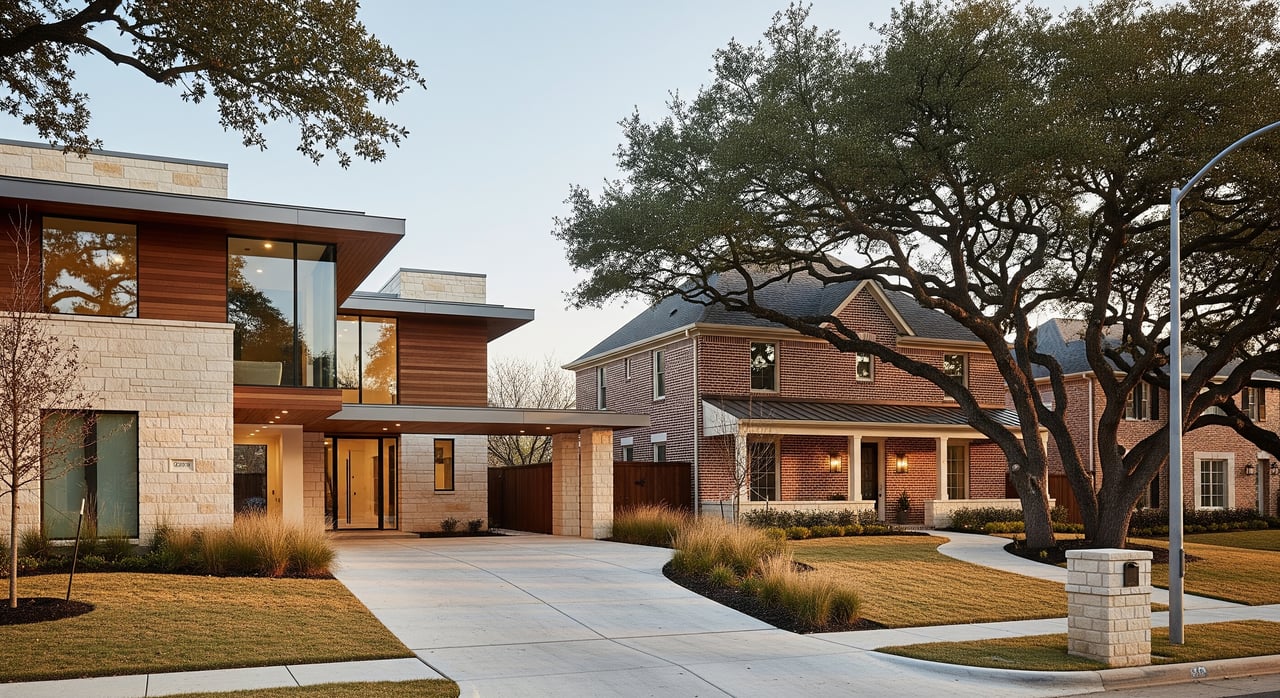
Should you buy a brand-new home in Northlake or a pre-owned home in an established neighborhood nearby? It is a big decision with moving parts that go beyond sticker price. You want the right fit for timing, budget, and long-term value. In this guide, you will get a clear, side-by-side framework to compare new construction and resale in Northlake and the greater Denton area, plus a practical checklist you can use before you make a move. Let’s dive in.
Northlake market snapshot
Northlake and nearby Denton County communities continue to add new subdivisions and master-planned neighborhoods. Many offer a more open feel and, in some cases, larger lots than inner suburban areas. Lot size and amenities vary by builder and phase, so it pays to compare communities carefully.
Infrastructure and approvals matter. New phases can be delayed by road work, utility extensions, permitting, or inspections. Commute routes, school-district boundaries, and roadway projects are key drivers of demand and future resale value across Northlake and the Dallas–Plano–Irving job centers.
When you weigh total cost, look beyond the base price. Factor in lot premiums, HOA dues, Denton County property taxes and appraisal timing, and any municipal impact fees. These items change your monthly and long-term costs.
New construction vs. resale: what to compare
Price and total purchase cost
-
New construction
- Base price often excludes lot premiums, finishes, landscaping, window coverings, and some exterior items. Many options cost extra.
- Builders may offer closing-cost help, rate buydowns, or upgrades that affect the effective price. Confirm if incentives are temporary or tied to a preferred lender.
- Initial property tax assessments can be lower the year the home is built, then increase at the first appraisal cycle. Budget for that change.
-
Resale
- Asking price reflects location, condition, and recent comparable sales. In softer conditions, sellers may negotiate on price, repairs, or closing costs.
- Plan for possible near-term expenses like roof, HVAC, or cosmetic updates. These can shift the total cost of ownership.
Timeline and move-in speed
-
New construction
- Inventory/spec homes can be ready in weeks or a few months. A lot-to-build home often takes 4 to 12 or more months, depending on options and site work.
- Completion dates are estimates and can move due to weather, supply chain, or permitting. Build in a contingency plan for delays.
-
Resale
- Most resales close in about 30 to 60 days based on financing, appraisal, and inspections. Cash or conventional buyers without a sale contingency can close faster.
Warranties and post-closing protection
-
New construction
- Many builders use a 1–2–10 style package: roughly 1 year for workmanship, 2 years for major systems, and 10 years for structural items. Terms vary, so read the policy and confirm claim steps and any third-party provider.
- Warranties do not cover everything. Cosmetic wear and maintenance items are typical exclusions.
-
Resale
- There is no automatic builder warranty, but you can negotiate a one-year home warranty at closing or purchase one yourself. Coverage and deductibles vary by plan.
Incentives and negotiation levers
-
New construction
- Common incentives include mortgage-rate buydowns, closing-cost credits, upgrade packages, or price concessions. Many require using the builder’s preferred lender or title company and can change quickly.
- Incentives often rotate weekly or monthly based on inventory and market conditions. Verify details in writing and compare terms with outside lenders.
-
Resale
- You can negotiate price, seller-paid closing costs, repair credits, or flexible closing dates. Inspection and appraisal contingencies are typical tools.
Inspections and condition risk
-
New construction
- You have multiple checkpoints: pre-pour (foundation), framing, pre-drywall, and final walk-through. The builder will use a punch-list process for items found before closing or shortly after move-in.
- Independent third-party inspections are still advisable. Some builders limit inspection windows or require approved inspectors. Confirm your contract rights in writing.
- Common new-home issues include settlement cracks, grading or drainage adjustments, HVAC balancing, and finish touch-ups.
-
Resale
- Order a full home inspection. Add specialized inspections for roof, HVAC, pest, septic, or sewer as needed. Use findings to negotiate repairs or credits.
Customization, energy, and tech features
-
New construction
- You can choose floor plans, finishes, and modern systems. New homes meet current code standards, which may reduce utility costs.
-
Resale
- Older systems may raise utility costs until upgraded. Many resales offer mature landscaping or architectural character that new builds may not have.
Resale value and long-term lens
- Lot and location drive resale value more than the home’s age. A well-located resale can outperform a new home in a less connected area.
- Builder reputation, construction quality, and adaptable floor plans also affect future marketability.
Local factors to verify in Northlake
-
Jurisdiction and permitting
- Confirm if a property sits inside Northlake city limits, in unincorporated Denton County, or in a neighboring town. Each has different permit and inspection processes that affect start dates and compliance.
-
Utilities and infrastructure
- New communities may need water, sewer, drainage, and electrical extensions. Ask who owns and maintains these systems and whether any assessments apply.
-
Drainage and lot grading
- Review neighborhood drainage plans and detention basins. Request engineered grading details for the lot and understand HOA rules about altering drainage.
-
School districts and boundaries
- Verify school assignments and any planned boundary changes that could matter to future buyers. District lines can shift over time.
-
Property taxes and appraisal timing
- New construction can trigger a fresh appraisal. Estimate taxes using projected assessments and exemptions, and review recent assessments for similar homes through the local appraisal office.
-
HOA and deed restrictions
- Many new neighborhoods have mandatory HOAs, architectural controls, and amenity fees. Read the covenants, design rules, and fee schedules before you commit.
Financing, appraisals, and insurance
-
New construction financing
- Options include construction-to-permanent loans, lot loans, or using the builder’s preferred lender. Construction loans have draw schedules and expose you to rate changes during the build.
- Appraisals may rely on new-home comps or a cost approach. If the appraised value comes in below contract plus upgrades, you may need to bring extra funds.
-
Resale appraisal risk
- Appraisals are based on recent comparable sales. In fast-changing submarkets, appraisal lag can impact negotiations and financing.
-
Insurance in North Texas
- New homes can start with lower premiums due to new systems. Location risks like hail and wind can still drive costs. Builders or lenders may require specific coverage during construction.
A practical checklist before you decide
-
Before you sign with a builder
- Ask for the full warranty in writing and confirm how claims work and who backs the warranty.
- Request a detailed list of standard features versus upgrades with pricing for each option. Clarify change-order rules and costs.
- Get a written build schedule with milestones, plus remedies or procedures for delays.
- Confirm whether incentives require the builder’s lender, title, or insurance, and whether they transfer if you change lenders.
- Review recent comparable sales, HOA covenants, fee schedules, and any assessments.
- Verify who handles punch-list items after closing and the timeline for completion.
-
During the build
- Schedule independent inspections at foundation, framing, and final. Confirm timing and access are allowed in the contract.
- Collect manuals and manufacturer warranties at closing.
-
When buying resale
- Order a full home inspection and add specialized inspections if needed.
- Compare seller disclosures to inspection results. Put repair scope, credits, and who pays in writing.
Which path fits your situation?
-
You need to move quickly
- Consider a resale or an inventory/spec home. These paths often allow move-in within weeks to a couple of months.
-
You want customization and the latest systems
- A new build can deliver your preferred floor plan and modern efficiency. Plan for 4 to 12 or more months and budget for upgrades and lot premiums.
-
You are relocating for work
- Prioritize commute routes, neighborhood access, and verified school assignments. If your relocation timeline is tight, a resale or spec home may be more practical.
-
You are a move-up buyer with equity
- Decide whether to sell first or buy first. Explore options like a sale contingency or rent-back. Compare the premium for a new home’s features against potential appreciation trends in established neighborhoods.
Next steps
The smartest choice is the one that fits your life, timing, and total cost of ownership. Compare base price plus upgrades, taxes, HOA dues, insurance, and likely maintenance. Plan your timeline with contingencies for appraisals and inspections.
Builder incentives and timelines can shift week to week. Always confirm current offers, contract terms, and warranty details directly with the builder and your buyer’s agent before you sign. If you want local, side-by-side numbers for Northlake and nearby Denton County neighborhoods, reach out to Edson Miranda for a clear plan that fits your goals.
FAQs
What hidden costs should Northlake buyers expect when comparing new builds and resales?
- Expect lot premiums, upgrades, landscaping, window treatments, HOA dues, property tax changes after the first appraisal cycle, and potential maintenance or repair costs on resales.
How long does it take to build a new home in Northlake?
- Inventory homes can close in weeks or a few months, while a lot-to-build home often takes 4 to 12 or more months with possible delays from weather, supply chain, or permitting.
Do I still need inspections on a new construction home?
- Yes, schedule independent inspections at key stages like foundation, framing, and final; builders may limit inspection windows, so confirm timing and allowed inspectors in your contract.
How do builder incentives work in Denton County?
- Incentives like rate buydowns, closing credits, or upgrades often require the builder’s lender and change frequently; verify current offers in writing and compare terms with outside lenders.
What matters more for future value: new or location?
- Location and lot usually drive resale value more than age, while builder reputation, construction quality, and adaptable floor plans also influence future marketability.
