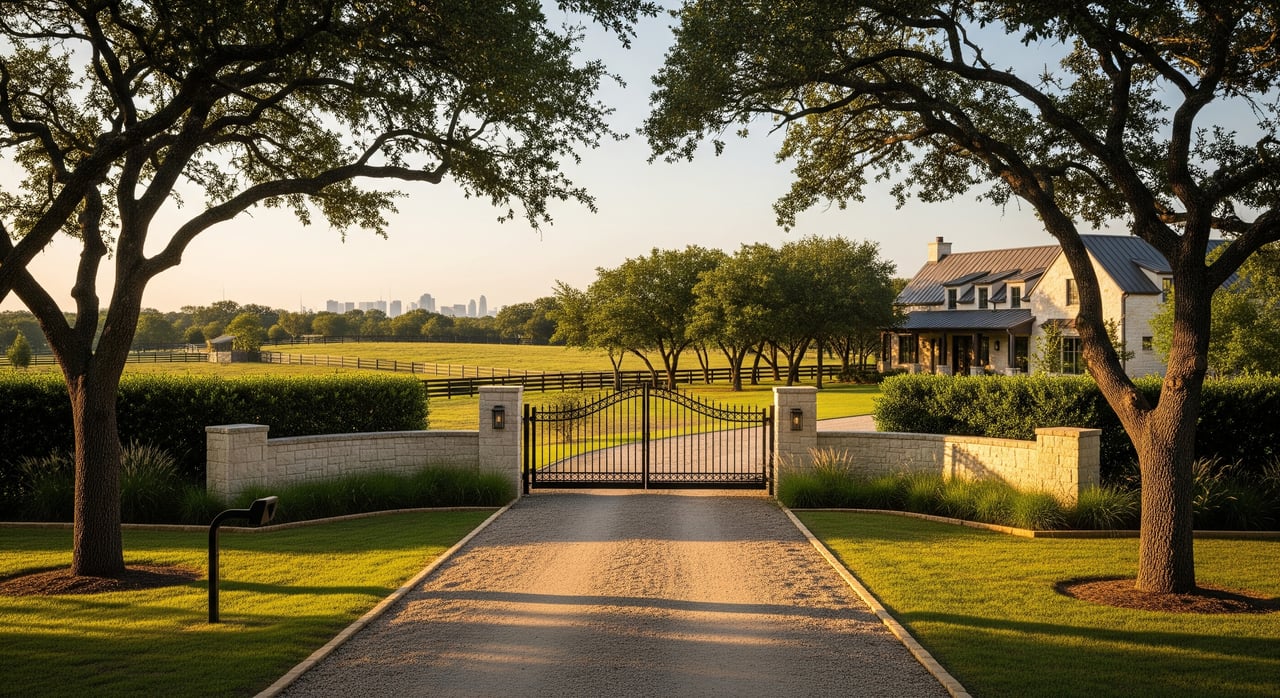
Trying to choose between Argyle and Northlake can feel like comparing two great versions of the same dream. You want space, strong community ties, practical commutes, and a home that fits your routine. This guide gives you a clear, side-by-side look at each town’s vibe, housing options, school considerations, everyday conveniences, and growth patterns. You’ll also get a practical decision checklist and a one-day touring plan to make your visit count. Let’s dive in.
Quick snapshot: Argyle vs. Northlake
| Topic | Argyle | Northlake |
|---|---|---|
| Vibe | Rural to semi-rural, small-town feel | Fast-growing suburban, new master-planned areas |
| Housing mix | Acreage homes, estates, newer subdivisions | New construction in master-planned communities, mixed lot sizes |
| Growth pattern | Slower, character-focused | Rapid, retail and residential buildout |
| Commute headline | Car-first, routes vary by address | Car-first, convenient to Alliance employment hubs |
| Schools note | Often smaller-town feel; verify zones | Newer facilities common in growth areas; verify zones |
| Amenities note | More open space and privacy | More built-in community amenities and nearby retail |
Location and commute
Both towns sit in Denton County within the Dallas–Fort Worth region. Most residents commute by car. Primary routes connect to Dallas, Plano, Fort Worth, the Alliance employment corridor, and DFW Airport. Exact drive times vary by address and traffic, so run checks during your normal commute hours.
Public transit options are limited for these towns. Regional service exists in Denton County, but most families rely on personal vehicles for daily trips. If commuting is a top priority, test morning and late-afternoon routes from specific addresses you are considering.
Housing types and costs
You will see a range of properties in both towns. Argyle often features acreage or estate homes alongside newer subdivisions. Northlake trends toward newer master-planned neighborhoods with builder amenities, plus a mix of lot sizes and some attached options where zoning allows.
Consider these common tradeoffs:
- Acreage and ranch-style properties
- Check for well and septic systems, fencing rules, animal allowances, and maintenance needs.
- Expect fewer comparable sales nearby. Appraisals and financing can be more nuanced.
- New single-family subdivisions
- Review HOA rules, amenity fees, and build timelines for new phases.
- Model-home areas can feel different from established streets. Walk both.
- Estate neighborhoods
- Larger lots and privacy are common. Read restrictive covenants and understand nearby land use and future development.
- Attached homes (townhomes or patio homes)
- More common in suburban centers and newer growth areas than on rural edges.
Budget planning goes beyond the list price. Ask about tax rates, HOA fees, insurance differences, utility providers, and any floodplain or drainage easements. If you are considering new construction, compare builder timelines, lot releases, and incentives.
Schools and family services
School zones can cross town boundaries, and they shift as communities grow. Always verify the specific attendance zone for a property and review the latest state report cards for academic performance. Enrollment size, student-to-teacher ratios, specialty programs, and extracurriculars vary by campus.
In general, Argyle often reflects a smaller-town school feel, while Northlake’s newer neighborhoods may feed into districts with newer facilities. Because assignments are address specific, confirm your school path before making an offer. If schools are a top priority, schedule campus visits and gather enrollment and program details.
Lifestyle and recreation
Argyle leans into open space, privacy, and opportunities for equestrian lifestyles, depending on local rules. Yard space and quiet streets are part of the appeal. Community recreation tends to be less centralized and more tied to town parks and private property enjoyment.
Northlake’s rapid growth supports master-planned communities with built-in amenities. Pools, playgrounds, clubhouses, and trail segments are common features in new neighborhoods. As commercial areas build out, you will typically see fitness, dining, and retail options emerge nearby.
Everyday conveniences
Shopping and services differ by address and neighborhood stage. In established pockets, you may be minutes from grocery stores, clinics, and dining. In newer phases, retail may follow residential growth.
Plan for the essentials:
- Groceries and retail: Identify your closest store now, and note hours and parking.
- Healthcare: Map urgent care and hospital options that align with your family’s needs.
- Internet and cell: Confirm broadband providers and speeds before you write an offer. Test your phone signal at the property.
- Utilities: On acreage, verify well, septic, trash pickup, and road maintenance. In new developments, builders often coordinate utilities, but fiber internet may lag early move-ins.
Development outlook and planning
Both towns are growing, but the pace and style of growth differ. Expect more master-planned neighborhoods and commercial hubs in Northlake, and a more measured approach in many parts of Argyle. To understand what is next for a specific area, review recent planning agendas, subdivision plats, and transportation project lists.
Treat future impacts as possibilities rather than guarantees. Road expansions, new retail centers, or school construction can change timelines. If you are weighing two addresses, compare the near-term projects and likely traffic changes around each.
Decision checklist and scoring
Use this simple framework to compare any two addresses:
- Commute fit
- How reliable is the route to your main workplace, plus a backup route?
- School fit
- Do the assigned schools match your priorities and programs?
- Housing fit
- Does the lot size, layout, and yard work for your daily life and pets?
- Lifestyle fit
- Do you prefer rural quiet or social, amenity-rich neighborhoods?
- Services fit
- Are grocery, healthcare, and internet service close and reliable?
- Financial fit
- Do the monthly costs work when you include taxes, HOA, and insurance?
- Future outlook
- What nearby projects could affect traffic, noise, or appreciation?
Scoring method:
- Rate each category from 1 to 5.
- If commute and schools matter most, assign them higher weights and tally a weighted score for each address.
One-day tour plan
Prep before you come:
- Schedule showings and neighborhood drives with your agent. If you use the Miranda app, organize appointments and notes in one place.
- Print school boundary maps and the latest state report summaries for the campuses that serve your short list.
- Run AM and PM drive-time checks to your key destinations.
- Confirm utilities and internet providers for each address.
Morning
- Drive an Argyle loop. Listen for road, aircraft, and industrial noise. Note lot sizes and neighbor uses.
- Walk the perimeter of the nearest school and a local park. Stop by the closest grocery.
Midday
- Tour a Northlake master-planned community. Ask about amenity access, HOA fees, and build-out timelines.
- Have lunch in a nearby dining cluster to gauge crowds and convenience.
Afternoon
- See 2 to 3 homes in each town representing different product types, such as acreage, new subdivision, and smaller lots.
- Walk community trails or parks to feel the outdoor rhythm.
Evening
- Re-run your commute during peak traffic.
- Call your lender and agent to confirm taxes, HOA details, and typical cost items for your top pick.
What to observe and ask on tours
- Noise and lighting at different times of day
- Street parking rules and road maintenance cadence
- Neighbor property uses such as RV storage or animals
- Drainage patterns and any signs of standing water
- HOA documents, fees, reserves, and any pending litigation
- Visible utility or pipeline easements
- Internet speeds and mobile signal at the property
Next steps
If you are relocating, you do not have to figure this out alone. Our team pairs local insight with practical tools to help you compare addresses with confidence. We offer buyer and seller representation, new-construction advocacy, home valuations, neighborhood guides, and a mobile app to organize your move.
Ready to build your tour and shortlist? Reach out to Edson Miranda for a calm, step-by-step plan tailored to your family.
FAQs
What are the main differences between Argyle and Northlake?
- Argyle leans rural to semi-rural with larger lots and a quieter feel, while Northlake trends suburban with rapid growth and more master-planned amenities.
Which town is better for commuting to the Alliance area?
- Many Northlake addresses sit closer to the Alliance employment corridor, but it depends on the specific neighborhood and route, so test drive times from each address during peak hours.
Are townhomes available in either town?
- Attached homes are more common near suburban centers and in some Northlake-area developments, while true rural areas typically offer detached homes and acreage.
How should I evaluate schools for a specific property?
- Verify the exact attendance zone by address, review current state report cards, and visit campuses to understand enrollment size, programs, and extracurricular options.
What extra due diligence is needed for acreage properties?
- Plan for well and septic inspections, fencing and animal regulations, insurance and appraisal considerations, and a review of drainage and any easements.
Can I rely on public transit for daily commuting here?
- Regional transit exists in Denton County, but service is limited near these towns, so most families commute by car and plan routes around peak traffic.
